
Chipmunks Music Journey
GMG GlobalMusic
4.021.00 Reviews
- Version
- 1.0.15
- Installs
- 1.00M
- Age Rating
- Everyone
Screenshots
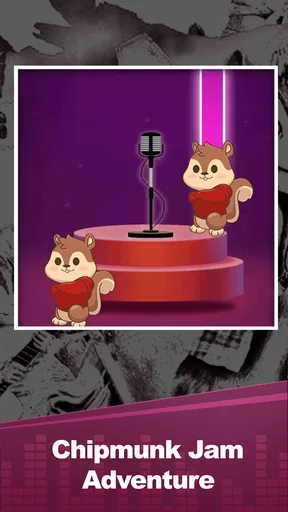
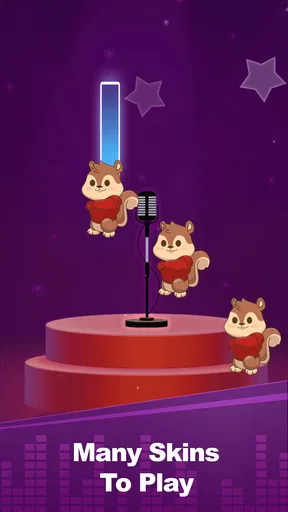
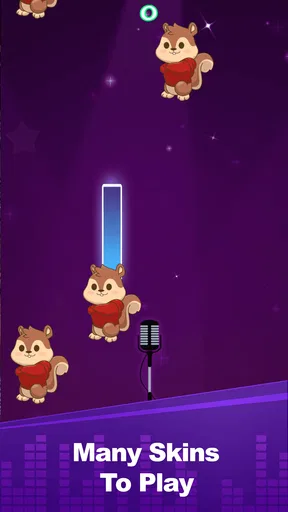
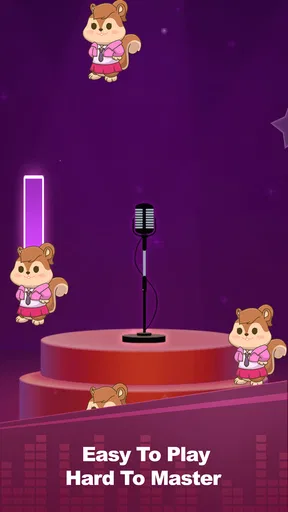
Our Review of Chipmunks Music Journey
 Analysis by Appyee
I spent time with Chipmunks Music Journey as a light music game, and my first impression was clear: this is designed for quick, cheerful interaction rather than serious rhythm training. The presentation leans into cute chipmunk voices and familiar-feeling song play, while the main appeal comes from tapping along and keeping your attention on the changing musical flow. It is easy to understand, friendly to younger players, and casual enough to pick up when you only have a few minutes.
The game comes from GMG Global and is available free of charge, with optional purchases priced from $0.99 to $3.49 per item. That combination makes it accessible to try, although families should remember that “free” does not mean every part of the experience is necessarily included without extra spending. The age classification is Everyone, which fits the bright, uncomplicated tone I encountered.
What makes it worth discussing is not technical depth or a large competitive scene. Its strength is the mood it creates. The music, voices, and finger-tapping interaction work together as a small piece of entertainment that can suit children, casual players, or anyone who enjoys playful sound effects more than demanding rhythm challenges. At the same time, people looking for precise timing systems, extensive customization, or a deep music library may find its limits fairly quickly.
How the current version feels to play
I approach the current version as a quick, touch-first game, so the most useful test is whether the screen and sound feel comfortable together on your device. I’d start with a brief session in a quiet moment, then try again somewhere noisier to see whether the musical cues remain easy to follow. That practical check leads into the broader question of what staying with this simple format offers—and where its trade-offs become clearer.
A friendly starting point for casual music gaming
The basic idea is immediately approachable. I did not need a long explanation to understand that the game wants me to follow the music with my fingers and react to what appears on screen. That low barrier matters, especially for a child who may not already know rhythm-game conventions. There is no intimidating setup in the way the experience presents itself; the tone is playful from the beginning.
The chipmunk theme gives the game a personality that ordinary tapping games often lack. The voices are deliberately cute rather than naturalistic, and that choice will divide players. I found them effective when I wanted something silly and upbeat, but they could become tiring for someone who prefers clean instrumental tracks or realistic vocals. This is not a neutral music player with a few game elements attached. Its character is built around the vocal style.
For a short session, that personality is useful. I can imagine opening it while waiting for an appointment, handing it to a child during a quiet break, or using it as a simple change of pace after more demanding games. The interaction does not ask me to study complicated rules before having fun. That simplicity is a genuine strength, not merely a sign that the game is shallow.
What the tapping experience does well
The most enjoyable part is the connection between sound and movement. When I pay attention to the song instead of tapping randomly, the game feels more musical and less like pressing buttons on a timer. That makes headphones helpful in a noisy environment, although the game is also approachable without treating every session like a focused practice exercise.
A useful habit is to listen for the rhythm before trying to maximize every response. New players often watch only the visual elements and lose the musical pattern. With this game, I get a better sense of control when I use the voice and beat as cues, then let my fingers follow. That approach is particularly helpful for younger players who may not yet recognize formal rhythm-game timing windows.
Another practical tip is to treat short sessions as a strength. I would not approach this as a game that needs a long uninterrupted evening. Its appeal is strongest when I want a compact burst of music and tapping. Playing for a few minutes, taking a break, and returning later keeps the cheerful sound from becoming repetitive and makes the experience feel more relaxed.
Who will enjoy it most
I would recommend it first to families looking for an accessible music game with an expressive theme. The Everyone rating makes it a natural candidate for shared play, especially when an adult wants to introduce a child to rhythm-based interaction without starting with a demanding arcade title. The controls are also suitable for players who prefer touchscreens to complicated button layouts.
It can work for adults too, but mainly as a novelty-driven casual game. If you enjoy animated voices, playful presentation, and uncomplicated tapping, the theme may keep you interested. If your favorite music games are built around exact note charts, licensed performers, ranked leaderboards, or long-term mastery, this is probably better as a side game than as your main choice.
I would also skip it if you dislike repeated vocal effects. Cute voices are central to the identity here, so they are not a minor decoration that can be ignored. Someone seeking calm background music may be happier with a conventional music app, while someone seeking a serious rhythm workout should choose a title built around precision and progression instead.
A realistic everyday use case
Imagine a parent preparing dinner while a child wants something interactive but not complicated. This game can fill that short gap: the child can focus on tapping with the music, while the adult can join for a song or check in without learning an elaborate control system. It is not a substitute for supervision or a complete activity plan, but its accessible format makes it easier to share than a competitive game with complex rules.
For my own use, I would place it in the same category as a quick puzzle or a short arcade round. I would open it when I wanted a cheerful distraction, not when I had a specific musical goal. That distinction helps set expectations. The game works best when I accept its compact, playful purpose instead of asking it to provide the depth of a full rhythm platform.
Evolution, practical trade-offs, and what to expect
I find it helps to judge this game by the kind of break it provides, not by expectations borrowed from a deep rhythm title. A repeatable habit—listen first, tap along, then stop when the playful voices begin to feel repetitive—can keep sessions enjoyable without assuming extra modes or hidden controls. With that in mind, the next section considers how its established release and straightforward design shape what players can reasonably expect.
Where the current release fits
The current version is 1.0.15, and the game supports devices running Android 6.0 or later. Those details make it relevant to people using older compatible phones or tablets, particularly families who do not replace devices frequently. I still recommend checking that the device has comfortable screen space and responsive touch input, because music games are less enjoyable when taps feel cramped or delayed.
The game was released on October 3, 2022, so I view the present build as an established casual title rather than a brand-new experiment. Its audience has had time to discover whether the central idea works for them. The store shows a 4.0 average from around 750 ratings, alongside over a million installs. To me, that suggests a recognizable appeal with room for personal preference: many players can enjoy the concept, but the vocal style and simple format will not suit everyone equally.
Those figures should not be mistaken for proof that it is the best music game for every player. Popularity can tell me that the premise is easy to approach, but it cannot replace trying the controls on my own device. Touch response, speaker quality, and tolerance for the chipmunk presentation will shape the experience more than a download count does.
What existing players gain from staying with it
Players who already like the game benefit from its clear identity. There is no confusion about the intended mood: it is colorful, musical, and deliberately cute. That consistency can be valuable for children who prefer familiar characters and for adults who want a game that does not take itself too seriously.
The free entry point also makes returning easy. I can recommend trying a session before deciding whether the style is a good match, rather than asking someone to commit to an upfront purchase. Optional items between $0.99 and $3.49 each create a different consideration: a player who is satisfied with the free experience may spend nothing, while a devoted fan may be tempted by extras. I would set a spending limit in advance, especially on a shared family device.
One of the better ways to keep the experience fresh is to change how I play rather than expecting the game itself to provide endless novelty. I might first focus on hearing the rhythm, then try to improve my consistency, and later let a child take the lead while I follow along. These small variations make the game more useful in social settings and prevent every session from feeling like the same test.
Where the experience still feels limited
The biggest limitation is the narrowness of the core idea. Cute voices and finger tapping are appealing, but they may not sustain long-term interest for players who want a broad musical journey. I would not buy a separate device or plan a long gaming session around it. Its value is strongest as a compact distraction, and weaker when measured against deeper rhythm games with extensive song variety or more demanding systems.
The presentation may also be too energetic for some situations. If I am trying to relax, study, or listen to music without interruption, the vocal character can work against that goal. Likewise, players who judge rhythm games primarily by exact timing and technical challenge may find the accessible design less satisfying than a specialized alternative.
There is also a trade-off between simplicity and replay depth. Because the game is easy to grasp, it welcomes beginners quickly. The same quality means experienced players may reach the point where they understand the interaction but no longer feel challenged by it. That is not a flaw for its intended casual audience, but it is an important reason not to confuse “easy to start” with “deep enough for everyone.”
How it compares with usual alternatives
Compared with a standard music-streaming app, this game adds participation. I am not simply listening; I am using the song as a cue for touch interaction. That makes it more engaging for children and for anyone who wants a small activity attached to the music. A streaming app remains the better choice when the priority is uninterrupted listening, playlists, discovery, or relaxed background sound.
Compared with a serious rhythm game, this title is gentler and more character-focused. It is easier to introduce to a first-time player, but it is unlikely to satisfy someone who wants strict timing mastery, elaborate scoring strategy, or an intense competitive routine. In that situation, I would choose the more specialized rhythm option and keep this one for casual play.
Compared with ordinary children’s games, the musical focus gives it a useful advantage. It encourages listening and timing rather than only visual reaction. I would still describe that benefit carefully: it is entertainment with a rhythm element, not a structured music lesson. Families should choose it because the child enjoys the interaction, not because they expect formal musical instruction.
Questions I would consider before installing
Does it work for a young child? In my view, yes, provided the child enjoys the vocal style and has a device with a comfortable touchscreen. The Everyone classification supports its broad audience, while the simple interaction reduces the learning curve. An adult may still want to guide the first session and decide whether optional purchases should be restricted.
Is it genuinely free to try? Yes, the game is free to download and start playing. The important practical distinction is that optional in-app items are available, so I would review purchase controls before handing over a phone or tablet. A free starting point is convenient, but household spending rules remain worthwhile.
Will it run on an older Android device? The stated minimum is Android 6.0, which covers a wide range of older compatible hardware. Even so, I would not assume every older phone will feel equally comfortable. A small display, tired battery, or inconsistent touch panel can make a timing-based game frustrating even when the operating system is supported.
Can it replace a full rhythm game? I would say no. It is better understood as a friendly, character-led music game for short sessions. Players who want a serious challenge, a broader musical catalog, or a long progression path should look elsewhere, while casual users may appreciate that it does not demand such a large commitment.
What I would watch as the game continues
For future development, I would pay attention to whether new content keeps the central idea enjoyable without overwhelming its simple charm. More variety could help returning players, but additions would need to preserve the quick, accessible feel that makes the game approachable in the first place. The balance matters: too little change risks repetition, while too much complexity could push away the families and casual players who are most likely to enjoy it.
I would also watch how optional purchases affect the overall sense of value. The free entry point is one of the game’s practical advantages, so extras should feel genuinely optional rather than necessary for a satisfying basic session. That is especially important when the audience includes children using a family device.
My final recommendation is straightforward: try it if you want a cheerful, low-pressure music game built around cute voices and touchscreen tapping. I would choose it for short breaks, shared family play, or a first introduction to rhythm-style interaction. I would skip it if I need deep progression, serious musical precision, or quiet listening. Its best quality is its welcoming personality, while its main weakness is that the same simplicity may limit how long experienced players remain engaged.
After using it, I see Chipmunks Music Journey as a focused casual game rather than an all-purpose music experience. GMG Global has built something easy to approach and easy to explain, and the current release remains a sensible download for the right audience. Go in expecting a playful tapping diversion, manage the optional spending thoughtfully, and it can deliver exactly the kind of light musical break it promises.
Verdict
Strengths of Chipmunks Music Journey
- Fun rhythm-based gameplay suitable for quick play sessions.
- Colorful visuals and cheerful chipmunk characters appeal to younger players.
- Simple controls make it easy for beginners to start playing.
- Music-themed challenges add variety beyond standard platforming.
- Collectibles and rewards encourage replaying completed levels.
Limitations of Chipmunks Music Journey
- Some levels may feel repetitive after extended play.
- Progress can become slower without optional purchases or bonuses.
- The soundtrack may not appeal to players outside the target age group.
- Small on-screen elements can be difficult to see on compact phones.
- Performance may vary on older devices with limited hardware.
Other Releases by GMG Global
View All
Piano Pop Music 2
Music4.1

Cat Dog Music Voice
Music4.2
Similar Picks in This Category
View All
Tiles Hop Music & Ball Game
AMANOTES PTE. LTD.4.3

Magic Tiles 3™ - Piano Game
AMANOTES PTE. LTD.4.6

Real Piano
Bilkon3.7

Piano Game: Classic Music Song
Dream Tiles Piano Game Studio4.0

Smash Colors: Music Ball Rush
BADSNOWBALL HONGKONG LIMITED4.2

Piano Music Go-EDM Piano Games
Joy Journey Music Games4.5
Frequently Asked Questions
What is Chipmunks Music Journey?
Chipmunks Music Journey is a music-focused entertainment app built around the recognizable chipmunk characters and their playful songs. It is designed primarily for children and families, offering an interactive way to listen to music, explore themed content, and enjoy colorful visuals. Before downloading, parents should review the available features, age suitability, and whether the app matches their child’s interests.
Is Chipmunks Music Journey suitable for children?
The app is generally aimed at younger audiences who enjoy animated characters, cheerful music, and simple interactive experiences. Its bright presentation and character-based content make it accessible for children, but parents should still check the recommended age rating and supervise initial use. Some features, advertisements, external links, or in-app purchases may require additional parental controls depending on the device and version.
Does Chipmunks Music Journey require an internet connection?
Internet requirements can vary depending on the version and the feature being used. Streaming songs, loading new content, displaying advertisements, or accessing external services may require a connection, while certain previously loaded elements could work offline. Users should not assume that every part of the app is available without internet access, especially when traveling or using a device with limited mobile data.
Are there in-app purchases or advertisements in Chipmunks Music Journey?
Availability of advertisements and in-app purchases may depend on the platform, region, and current app version. Parents should examine the store listing and the app’s settings before allowing children to use it independently. If purchases are offered, enable password or biometric confirmation on the device. Reviewing privacy, advertising, and parental-control options is also recommended before regular use.
What devices support Chipmunks Music Journey?
Chipmunks Music Journey may be available for selected Android and iOS devices, but compatibility can change as operating systems and app requirements are updated. Before downloading, check the official Google Play or App Store listing for supported versions, required storage, and any device restrictions. Installing the latest operating-system updates can also help prevent performance, audio, or loading problems.
Play our best games!


